Health and Safety Policy for Removal Companies Wandsworth
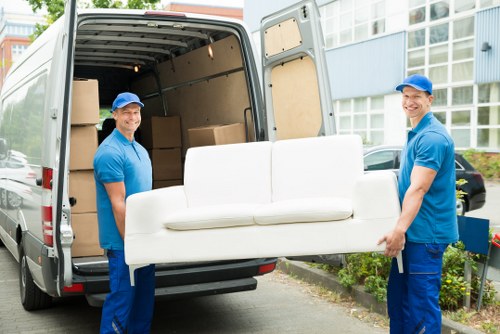 Health and safety is central to every successful move. For removal companies in Wandsworth, a clear policy helps protect staff, customers, property, and the public during packing, loading, transport, and unloading. This policy sets out practical standards for safe working, good communication, and responsible decision-making on every job.
Our approach is based on prevention, awareness, and control. Every removal operative is expected to work carefully, follow safe methods, and report hazards before they become incidents. Whether the task involves a small flat move or a full-house relocation, the same principles apply: assess the risks, use the right equipment, and never rush unsafe work.
 Removal company safety begins before the first box is lifted. Each job should be planned so that access routes, fragile items, heavy furniture, parking arrangements, and building restrictions are considered in advance. This reduces the chance of trips, manual handling injuries, property damage, and delays caused by avoidable hazards.
All staff must follow basic site safety rules. Floors, stairs, lifts, and entrances should be checked for obstructions, wet surfaces, poor lighting, or unstable objects. If a route is not safe, it should be made safe before work continues. In busy shared buildings, care must also be taken to protect residents, visitors, and other workers from moving equipment and carried items.
Manual handling is one of the most important parts of this policy. Removal work often involves lifting, carrying, pushing, pulling, twisting, and holding awkward loads. To reduce risk, employees should use correct posture, team lifts for heavy items, and moving aids such as trolleys, straps, blankets, and ramps where appropriate. Staff must not attempt lifts beyond their capability.
 When handling furniture and boxes, operatives should inspect items for sharp edges, loose parts, broken glass, or unstable contents. Packaging should be secure, and damaged items should be marked clearly. Safe packing is not only about protecting belongings; it is also a key part of preventing cuts, strain, and unexpected load shifts during transit.
The use of vehicles is another essential area of control. Drivers must ensure that vans and trucks are roadworthy, not overloaded, and loaded evenly to prevent movement during travel. Loads should be tied down where needed, and the rear area should be kept clear of loose items that could fall. Reversing, parking, and unloading should be carried out with extra caution in narrow streets, shared driveways, and confined access areas.
Personal protective equipment should be selected according to the task. This may include gloves, safety footwear, high-visibility clothing, back-supportive workwear where suitable, and protection for handling delicate or dusty materials. PPE is not a substitute for good practice, but it adds an important layer of protection when used correctly and kept in good condition.
Removal company safety policy also depends on clear communication. Team leaders must brief staff before work begins, assign responsibilities, and make sure everyone understands the sequence of tasks. If a hazard is identified, work should stop until the issue is controlled. Staff should feel confident to report near misses, damaged equipment, or unsafe behaviour without delay.
Fire safety and emergency readiness are part of everyday planning. Access to exits must be maintained, smoking must be restricted to designated areas where permitted, and flammable materials should be kept away from heat sources. In the event of an emergency, staff must know how to stop work safely, evacuate if necessary, and contact the relevant emergency services or site management.
Training is essential for maintaining high standards. All employees should receive induction training before working on removals and should be refreshed regularly on safe lifting, vehicle loading, customer property care, hazard reporting, and incident response. Supervisors should monitor performance and provide guidance where standards fall short. Good training supports safer work and better service.
 Equipment must be checked before each use. Dollies, straps, blankets, tools, and protective covers should be inspected for wear or damage, and defective items must be removed from service. Clean, well-maintained equipment helps prevent accidents and improves efficiency. In the same way, vehicles should be serviced according to schedule and kept tidy to avoid unnecessary risks.
Customer property must be treated with care and respect at every stage. Rugs, door frames, walls, lifts, and flooring should be protected where needed to reduce the risk of damage. Items should be moved with attention to balance and clearance, especially around corners, stairs, and tight hallways. A safe move is one that protects people and belongings equally.
Health considerations are also important. Staff should not work when unwell or when fatigue could affect judgement and coordination. Adequate breaks, hydration, and sensible scheduling all contribute to safer performance. Where workloads are heavy, managers should adjust staffing and timing so that employees can complete their duties without unnecessary strain.
 This policy applies to all operations carried out by removal companies in Wandsworth and should be reviewed regularly to ensure it remains effective, practical, and compliant with current best practice. By following these standards, a Wandsworth removals company can reduce accidents, protect its workforce, and deliver a service that is safe, organised, and professional from start to finish.